
In the realm of automotive sustainability, the practice of recycling automobiles faces a multitude of challenges.
From the intricate components embedded within modern vehicles to the absence of standardized recycling protocols proton Malaysia, the industry must navigate the complexities of disposing hazardous materials while ensuring economic viability and minimizing environmental impact.
This article delves into the critical obstacles hindering the efficient and sustainable recycling of automobiles, shedding light on the key issues at hand.
Increasing Complexity of Vehicle Components
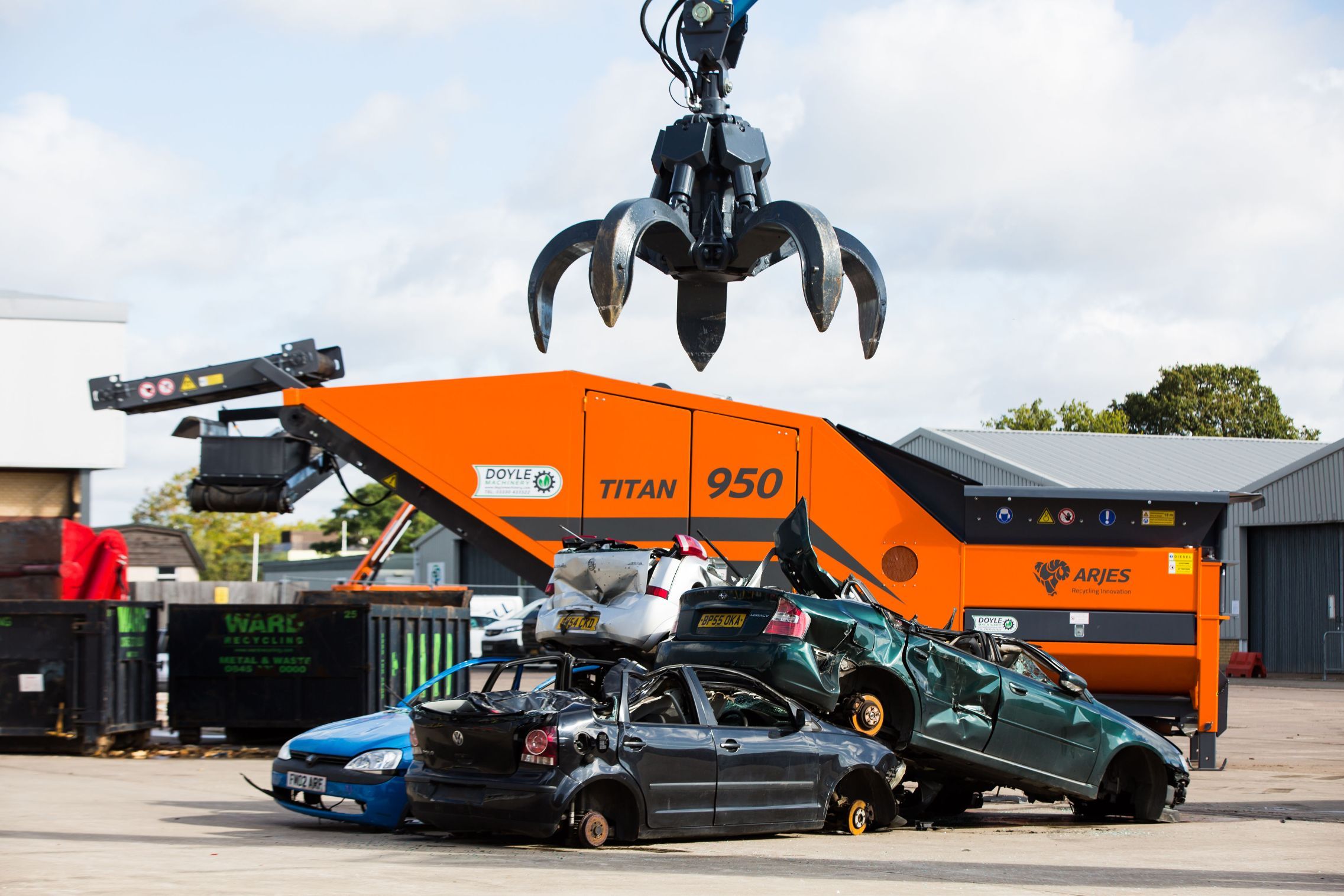
The automobile recycling industry grapples with the escalating challenge of dismantling and processing increasingly intricate vehicle components proton persona premium. Modern cars are equipped with complex parts like sensors, integrated circuits, and composite materials, making the recycling process more demanding. Disposing of these components responsibly is vital to prevent environmental harm and promote sustainability.
As vehicles become more advanced, recyclers must invest in advanced technologies and specialized machinery to effectively handle these intricate parts. Innovations in recycling methods, such as automated dismantling processes and material separation techniques, are essential to address this growing complexity. Collaboration between automakers, recyclers, and regulatory bodies is crucial to develop efficient recycling practices that balance environmental concerns with the freedom to drive cutting-edge vehicles.
Lack of Standardized Recycling Processes
Standardizing recycling processes in the automobile industry remains a significant challenge. The lack of standardized procedures hinders the efficient and environmentally friendly disposal of end-of-life vehicles. Without uniform guidelines, different recycling facilities may employ varied techniques, leading to inconsistencies in the recovery of valuable materials and the disposal of hazardous substances.
This lack of consistency not only complicates the recycling process but also poses risks to the environment and public health. Establishing standardized recycling processes is crucial to streamline operations, improve resource recovery rates, and ensure compliance with environmental regulations.
Collaboration among industry stakeholders, policymakers, and environmental experts is essential to develop and implement universally accepted recycling protocols for the automotive sector.
Disposal of Hazardous Materials
How can the automobile industry effectively manage the disposal of hazardous materials, given the lack of standardized recycling processes?
The disposal of hazardous materials poses a significant challenge in the automobile recycling sector. To address this, industry stakeholders must prioritize the development of clear guidelines and protocols for handling and disposing of these materials responsibly.
Implementing robust tracking systems to monitor the movement of hazardous waste from vehicles to recycling facilities is crucial. Additionally, investing in advanced technologies that can safely extract and treat hazardous substances from end-of-life vehicles is essential.
Collaboration among manufacturers, recyclers, and regulatory bodies is key to establishing best practices for the proper disposal of hazardous materials, ensuring environmental protection and public safety.
Economic Viability of Recycling
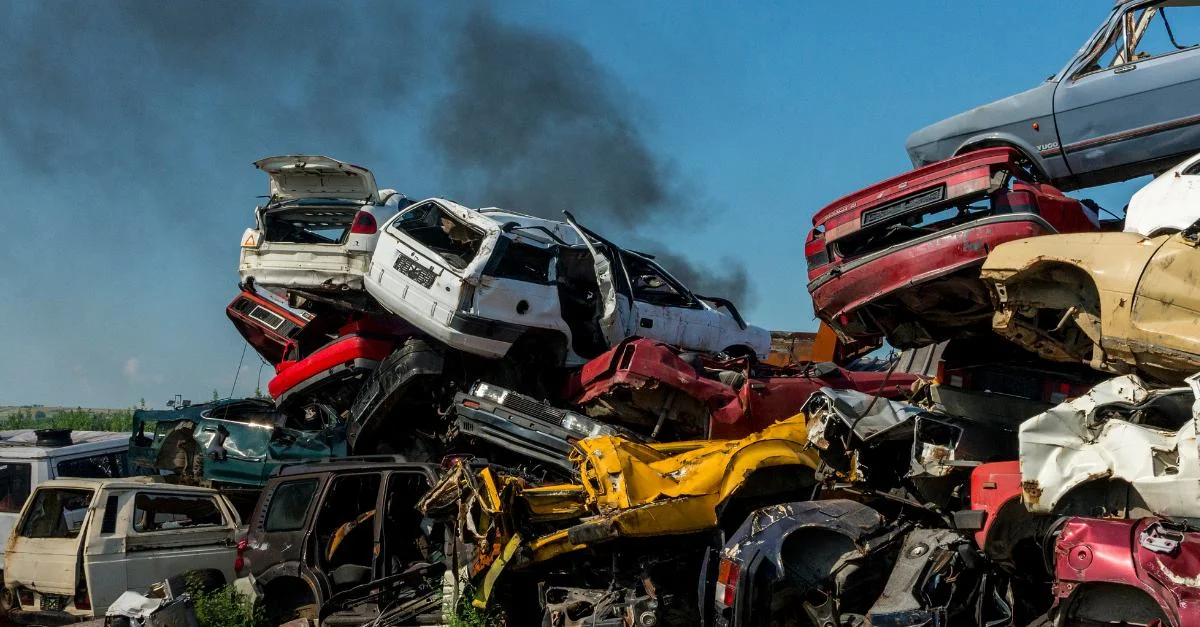
Addressing the economic viability of recycling in the automobile industry requires strategic planning and innovative solutions to ensure sustainability and profitability. The economic feasibility of recycling vehicles is influenced by various factors such as market demand for recycled materials, fluctuating commodity prices, and the efficiency of recycling processes.
In recent years, advancements in technology have enabled more cost-effective dismantling and recycling methods, enhancing the overall profitability of the recycling sector. Collaborative efforts between automakers, recyclers, and policymakers are essential to create a conducive environment for sustainable recycling practices.
Additionally, implementing financial incentives and promoting consumer awareness about the benefits of recycling can further enhance the economic viability of automobile recycling. By aligning economic interests with environmental goals, the automobile recycling industry can thrive and contribute positively to the economy.
Environmental Impact of Recycling Practices
The environmental impact of recycling practices in the automobile industry is a crucial consideration for sustainable operations and resource conservation. Proper recycling techniques help reduce the consumption of raw materials, energy usage, and greenhouse gas emissions associated with manufacturing new auto parts. However, challenges such as the disposal of hazardous materials and the energy-intensive process of dismantling and recycling vehicles must be addressed to minimize negative environmental effects.
Implementing advanced technologies like automated dismantling systems and eco-friendly disposal methods can significantly reduce the ecological footprint of automobile recycling. Additionally, promoting the use of recycled materials in manufacturing processes can further enhance environmental sustainability. By prioritizing eco-conscious practices, the automobile industry can mitigate its environmental impact and contribute to a cleaner, greener future.
Conclusion
In conclusion, the challenges facing automobile recycling stem from:
- the increasing complexity of vehicle components,
- lack of standardized recycling processes,
- disposal of hazardous materials,
- economic viability of recycling, and
- environmental impact of recycling practices.
Addressing these challenges will require collaboration among stakeholders in the automotive industry to develop efficient and sustainable recycling solutions.
It is imperative to prioritize environmental protection and resource conservation in order to promote a more sustainable future for the automotive sector.